Zero Carb Yogurt Bread-Smart Bread Recipe-Easy & Delicious
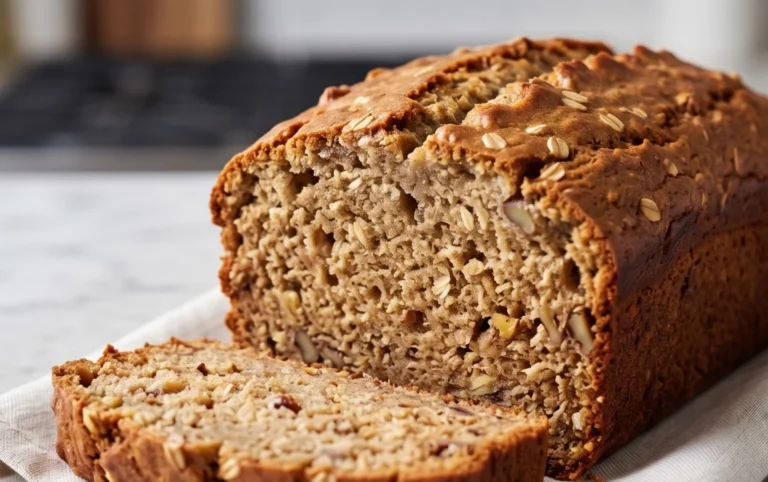
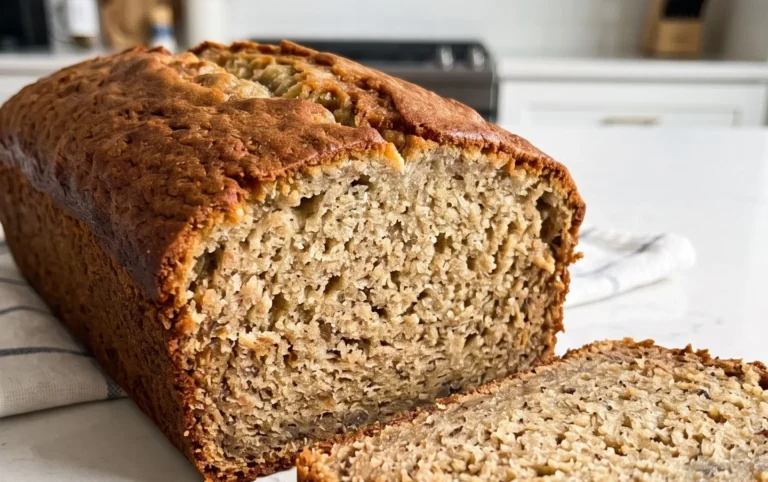
Zero Carb Yogurt Bread Recipe : Smart Bread, is it even possible? For so long, the dream of a fluffy, satisfying bread without the carb guilt felt like a culinary unicorn. But I’m here to tell you, the unicorn has arrived! This isn’t just another keto or low-carb attempt; this Zero Carb Yogurt Bread Recipe is truly a game-changer. What makes it so incredibly special? It’s the magic combination of simple ingredients that come together to create a bread so light and airy, you’ll forget you’re sticking to a zero-carb lifestyle. People are raving about this Smart Bread because it delivers on taste, texture, and the pure joy of enjoying a slice of toast, a sandwich base, or even a warm piece with butter – all without derailing your health goals. Get ready to rediscover the pleasure of bread, the smart way!
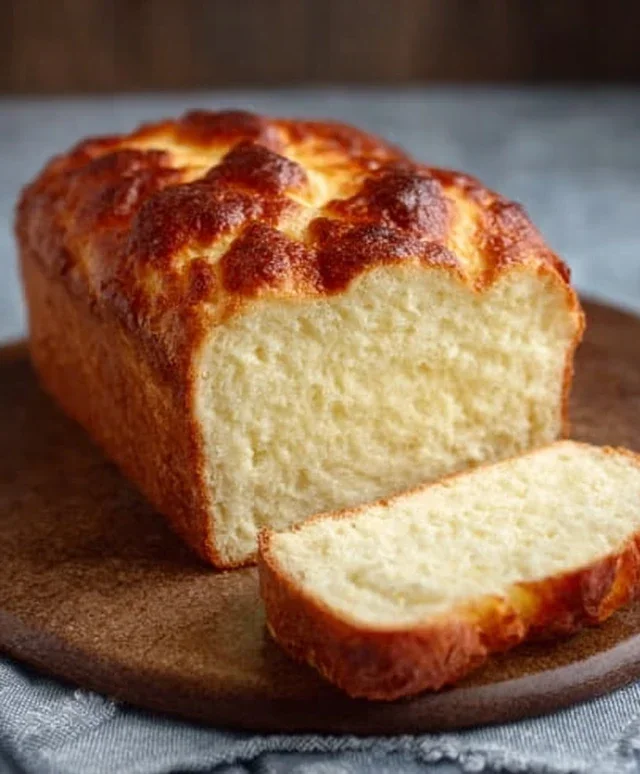
Zero Carb Yogurt Bread Recipe : Smart Bread
Hello fellow bread lovers! Are you on a low-carb or ketogenic journey and missing the comforting aroma and taste of freshly baked bread? I’ve got you covered! Today, we’re diving into a fantastic recipe for a “Smart Bread” that’s virtually zero carb, thanks to the power of eggs and Greek yogurt. This isn’t your average keto bread that crum extractbles or tastes too eggy. This recipe is designed for simplicity and deliciousness, offering a wonderful base for your favorite toppings or even as a side to your meals.
This Zero Carb Yogurt Bread is surprisingly easy to make. The Greek yogurt adds a lovely moisture and a subtle tang, while the eggs provide the structure and richness. We’re keeping the ingredients straightforward to ensure it truly lives up to its “zero carb” promise, with just a tiny bit of carb contribution if you opt for the almond flour, which is still incredibly low. Let’s get baking!
Ingredients:
Getting Started: Preparation and Mixing
Before we even think about mixing, let’s get our oven preheated and our loaf pan ready. This ensures that as soon as our batter is mixed, it can go straight into a hot oven, which helps with a good rise and even baking. Preheat your oven to 350°F (175°C). While the oven is warming up, grease and flour a standard loaf pan (around 8.5 x 4.5 inches or 9 x 5 inches). You can use butter, coconut oil, or a baking spray for greasing. For an extra layer of non-stick security and to make removal easier, you can also line the pan with parchment paper, leaving some overhang on the sides to act as handles for lifting the bread out.
Now, let’s gather all our ingredients. It’s always a good idea to have everything measured out and ready to go before you start mixing. This recipe is quite forgiving, but like most baking, a smooth and efficient process leads to the best results.
Step-by-Step Baking Instructions
1. Whisking the Eggs: In a large mixing bowl, crack all 6 large eggs. We’re going to whisk these vigorously until they are well combined and slightly frothy. The goal here is to break down the egg yolks and whites completely and incorporate a little air. This initial aeration is crucial for a lighter texture. You can use a whisk, an electric hand mixer on medium speed, or even a stand mixer with the whisk attachment for this. Whisk for about 1-2 minutes until you see a pnon-alcoholic ale yellow, slightly bubbly mixture.
2. Incorporating Wet Ingredients: To the whisked eggs, add the ½ cup of full-fat Greek yogurt. Make sure it’s plain and unsweetened; flavored yogurts can add unwanted carbs and sweetness. Next, pour in the ¼ cup of melted butter or coconut oil. If you’re using butter, ensure it’s just melted and not hot, as we don’t want to cook the eggs prematurely. Give this mixture another good whisk until everything is thoroughly combined and smooth. You’re looking for a uniform consistency with no streaks of egg white or yogurt.
3. Adding Dry Ingredients and Thickeners: Now it’s time to introduce the dry ingredients. In a separate small bowl, whisk together the 1 tablespoon of baking powder, ¼ teaspoon of salt, and ½ teaspoon of xanthan gum or psyllium husk powder. If you are using the optional ½ cup of finely ground almond flour, whisk it in with these dry ingredients as well. The baking powder is our primary leavening agent, giving the bread its lift. The salt enhances the flavors, and the xanthan gum or psyllium husk powder is vital for providing structure and a bread-like texture, preventing a too-crum extractbly outcome. Whisk these dry ingredients together to ensure they are evenly distributed before adding them to the wet ingredients. This prevents clumps of baking powder or xanthan gum.
4. Combining Wet and Dry: Gradually add the dry ingredient mixture to the wet ingredients in the large bowl. Gently fold them together using a spatula or a wooden spoon. Be careful not to overmix at this stage. We want to combine everything until there are no visible dry pockets of flour or powder, but overmixing can develop toughness in baked goods, even in low-carb ones. A few gentle folds are all that’s needed. The batter should be thick but still pourable. If you used psyllium husk, you might notice it thickening the batter a bit more rapidly than xanthan gum.
5. Baking the Bread: Pour the batter into your prepared loaf pan. Spread it evenly with your spatula, making sure to get into the corners. Place the loaf pan in the preheated oven. Bake for 30-40 minutes. The baking time can vary depending on your oven, so it’s important to keep an eye on it. The bread is done when it’s golden brown on top and a toothpick or cake tester inserted into the center comes out clean. If the top starts browning too quickly before the inside is cooked, you can loosely tent it with aluminum foil.
Cooling and Enjoying
Once baked, remove the loaf pan from the oven and let the bread cool in the pan for about 10-15 minutes. This allows it to set up properly. After the initial cooling in the pan, carefully use the parchment paper overhangs (if used) or an offset spatula to lift the bread out of the pan and transfer it to a wire cooling rack to cool completely. Allowing it to cool fully is crucial for the best texture; slicing it while warm can lead to a gummy interior.
This Zero Carb Yogurt Bread is incredibly versatile. It’s perfect toasted and buttered, or used as a base for avocado toast. It also makes a great accompaniment to savory dishes. Store any leftovers in an airtight container in the refrigerator for up to 3-4 days. Enjoy this guilt-free, delicious “Smart Bread”!
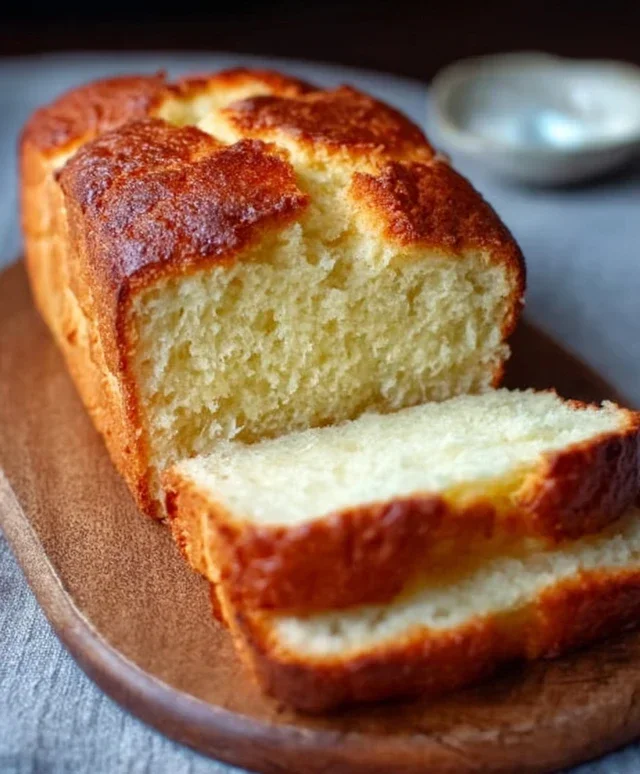
Conclusion:
This Zero Carb Yogurt Bread Recipe, our “Smart Bread,” truly is a revelation for anyone seeking a delicious and guilt-free bread option. Its simplicity, requiring minimal ingredients and effort, makes it accessible for bakers of all skill levels. The unique combination of yogurt and the absence of carbohydrates results in a surprisingly tender and satisfying crum extractb that holds up beautifully. Whether you’re following a strict ketogenic diet, a low-carb lifestyle, or simply looking to reduce your carbohydrate intake without sacrificing taste, this recipe is a game-changer.
Serving suggestions abound! Enjoy it toasted with a smear of butter, cream cheese, or your favorite sugar-free jam for breakfast. It also makes a fantastic base for avocado toast or a light sandwich. For a touch of indulgence, try it with smoked salmon and dill.
We encourage you to give this Smart Bread a try! Its versatility and health benefits make it a staple you’ll want to make again and again. Don’t be afraid to experiment with variations – adding a sprinkle of seeds, herbs, or a touch of garlic powder to the dough can create exciting new flavor profiles. We’re confident you’ll be delighted with the results!
Frequently Asked Questions:
Q1: Can I use a different type of yogurt?
Yes, you can! While full-fat, plain Greek yogurt is recommended for its thickness and low carb count, other plain, unsweetened yogurts can work. Just be mindful that thinner yogurts might slightly alter the texture. Always opt for unsweetened varieties to keep the carbohydrate count low.
Q2: How should I store the Zero Carb Yogurt Bread?
To maintain freshness, store the cooled bread in an airtight container at room temperature for up to 2-3 days. For longer storage, slice the bread and freeze it in a freezer-safe bag. You can then toast individual slices directly from the freezer.
Q3: Is this bread truly zero carb?
While we aim for minimal to zero net carbs by omitting traditional flour, some very trace amounts may be present from the yogurt and baking powder. However, for all practical purposes and in the context of most low-carb or ketogenic diets, it functions as a zero carb bread option. Always check the carb count of your specific yogurt and baking powder for precise calculations.
Zero Carb Yogurt Bread : Smart Bread
A simple and quick zero-carb bread recipe that uses Greek yogurt and eggs for a light, fluffy texture. Perfect for a low-carb lifestyle.
Ingredients
-
6 large eggs
-
½ cup full-fat Greek yogurt (unsweetened, plain)
-
1 tablespoon baking powder (aluminum-free preferred)
-
¼ cup melted butter or coconut oil
-
¼ teaspoon salt
-
½ teaspoon xanthan gum or psyllium husk powder
-
½ cup finely ground almond flour (optional)
Instructions
-
Step 1
Preheat your oven to 350°F (175°C) and grease a small loaf pan or line it with parchment paper. -
Step 2
In a medium bowl, whisk together the eggs until well combined. -
Step 3
Add the Greek yogurt, melted butter or coconut oil, salt, and xanthan gum or psyllium husk powder to the eggs. Whisk until smooth. -
Step 4
If using, stir in the finely ground almond flour until just combined. Do not overmix. -
Step 5
Pour the batter into the prepared loaf pan. -
Step 6
Bake for 30-40 minutes, or until a toothpick inserted into the center comes out clean and the top is golden brown. -
Step 7
Let the bread cool in the pan for 10 minutes before transferring it to a wire rack to cool completely.
Important Information
Nutrition Facts (Per Serving)
It is important to consider this information as approximate and not to use it as definitive health advice.
Allergy Information
Please check ingredients for potential allergens and consult a health professional if in doubt.