Easy Chimichurri Sauce Recipe- Fresh & Flavorful
Chimichurri sauce recipe is your gateway to a vibrant, herbaceous flavor explosion that transforms ordinary meals into something extraordinary. Have you ever tasted a sauce so fresh, so zesty, so utterly addictive it makes you rethink everything you thought you knew about condiments? That’s the magic of authentic chimichurri. This Argentinian classic, traditionally served with grilled meats, is loved for its bright, tangy profile, a perfect counterpoint to rich, savory flavors. What makes our chimichurri sauce recipe truly special is its incredible versatility. It’s not just for steak; drizzle it over roasted vegetables, pan-seared fish, chicken, or even use it as a vibrant marinade. The combination of fresh parsley, oregano, garlic, vinegar, and olive oil creates a symphony of tastes that’s both simple and profoundly satisfying. Get ready to elevate your cooking game with this indispensable chimichurri sauce recipe.
Chimichurri Sauce Recipe
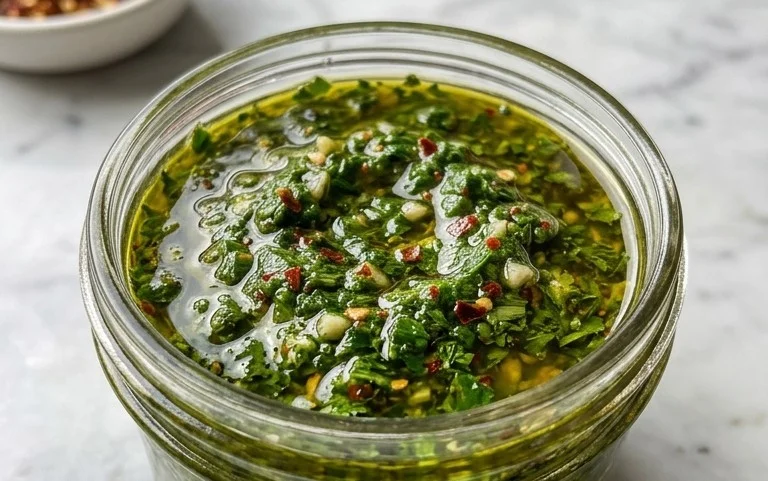
There’s something incredibly vibrant and satisfying about a homemade chimichurri sauce. This Argentinian staple is more than just a condiment; it’s a burst of fresh, herbaceous flavor that can elevate almost any dish. From grilled meats and fish to roasted vegetables and even a simple bread dip, chimichurri is incredibly versatile and surprisingly easy to make. The key to its magic lies in the quality and freshness of its ingredients, resulting in a sauce that’s both zesty and deeply aromatic. Forget those pre-made jars; once you taste this authentic, bright green goodness, you’ll never go back. It’s the perfect way to add a punch of flavor without overpowering your main dish.
Ingredients:
Preparing the Herbs and Aromatics
The foundation of any good chimichurri is fresh, high-quality herbs. For this recipe, we’re focusing on a classic trifecta of parsley, cilantro, and oregano. It’s crucial to use only the leaves, as the stems can add an undesirable bitterness and a tougher texture to the sauce. Take your time to gently strip the leaves from their stems. This might seem tedious, but it’s a small step that makes a big difference in the final texture and flavor of your chimichurri. Wash the herb leaves thoroughly and pat them completely dry. Excess water can dilute the flavor and affect the sauce’s consistency.
Next, we move on to our aromatic components: red onion (or shallots) and garlic. Roughly chopping them is a good starting point for the initial processing. The goal here isn’t to mince them finely at this stage, but to break them down into manageable pieces for the next step. For the garlic, peeling the cloves is all that’s needed. The sharp bite of fresh garlic is essential to chimichurri, providing a pungent depth that balances the freshness of the herbs. Red onion adds a subtle sweetness and a mild oniony bite, while shallots offer a more delicate and refined flavor if you prefer a less assertive onion note.
Combining and Blending
Now it’s time to bring all these wonderful ingredients together. You have a couple of options for how to combine them, depending on your desired texture. For a more rustic, chunky chimichurri, a food processor is your best friend. Add the prepared parsley, cilantro, oregano, chopped red onion (or shallots), garlic cloves, and red pepper flakes to the bowl of your food processor. Pulse the mixture a few times until the ingredients are finely chopped but not puréed into a paste. You want to retain some texture to enjoy in every bite. If you prefer a smoother, more sauce-like consistency, you can process it for a bit longer, but be careful not to over-process, which can lead to a gummy texture.
Alternatively, if you don’t have a food processor or prefer a more traditional, hand-chopped approach, you can finely mince all the herbs, onion, and garlic by hand using a sharp knife. This method requires a bit more patience but yields a beautiful, artisanal texture. Once all your solids are finely chopped, transfer them to a medium-sized bowl. Add the red pepper flakes to the bowl at this stage. These little flakes are where you’ll get that gentle warmth that defines a good chimichurri. Adjust the amount to your spice preference – more for a spicier sauce, less if you prefer it milder.
Emulsifying the Sauce
The final stage of creating your chimichurri involves emulsifying the chopped solids with the liquids to create that characteristic sauce consistency. This is where the richness of the olive oil and the tang of the vinegars come into play. Pour the extra-virgin extract olive oil into the bowl with the chopped herbs and aromatics. Good quality olive oil is paramount here, as its flavor will be prominent. Follow this with the red grape juice vinegar and fresh lemon juice. The red grape vinegar provides a lovely fruity acidity, while the lemon juice adds a bright, zesty punch that cuts through the richness of the oil.
Finally, season generously with kosher salt. The salt not only enhances all the other flavors but also helps to draw out some of the moisture from the herbs and aromatics, contributing to a better overall texture. Stir everything together thoroughly. Use a whisk or a spoon to vigorously combine all the ingredients. You want to ensure the oil and vinegars are well incorporated with the solids, creating a cohesive sauce. It might look a little separated at first, but as you stir, you’ll see it come together.
Resting and Serving
Once everything is thoroughly mixed, the chimichurri is almost ready to be enjoyed. However, for the flavors to truly meld and deepen, it’s highly recommended to let the sauce rest. Cover the bowl tightly with plastic wrap or transfer the chimichurri to an airtight container. Refrigerate it for at least 30 minutes, and ideally for an hour or two. This resting period allows the herbs to release their essential oils and the garlic and onion to soften slightly, creating a more harmonious and complex flavor profile. You’ll notice the vibrant green color intensifies as it rests.
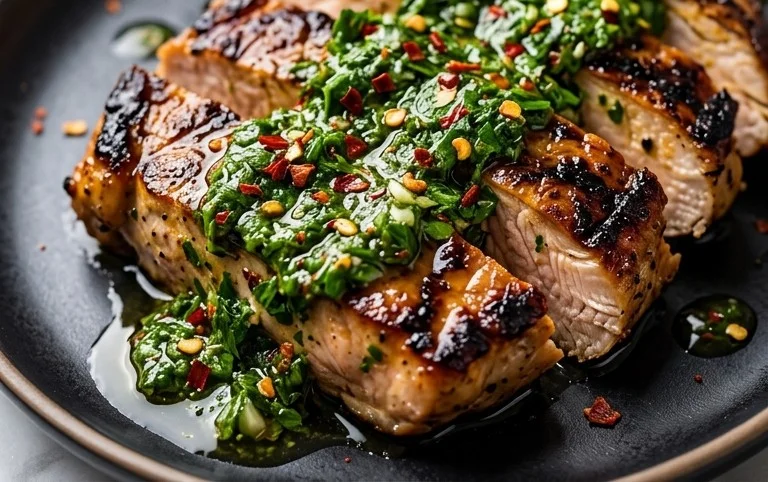
After resting, give the chimichurri another good stir before serving. If the sauce appears a bit too thick, you can add a tablespoon or two of water or a little more olive oil to achieve your desired consistency. Taste and adjust seasoning if necessary – perhaps a pinch more salt or a squeeze of lemon if you want more acidity. Now, your beautiful, homemade chimichurri sauce is ready to be unleashed! Drizzle it generously over grilled steaks, chicken, beef, or fish. It’s also fantastic spooned over roasted vegetables, used as a marinade, or even mixed into mayonnaise for a flavorful sandwich spread. Enjoy the taste of Argentina!
Conclusion:
I hope you’re as excited as I am about this vibrant and versatile chimichurri sauce recipe! It’s truly a game-changer for elevating everyday meals. The beauty of this sauce lies in its simplicity and the incredibly fresh flavors it delivers. With just a handful of ingredients and a few minutes of prep, you can transform grilled meats, roasted vegetables, or even a simple salad into something truly special. Don’t be afraid to experiment and make it your own!
Beyond its classic pairing with steak, this chimichurri sauce is fantastic drizzled over chicken, fish, beef, or even hearty roasted root vegetables. Try it as a marinade for tofu or as a zesty dip for bread. The possibilities are truly endless, and I encourage you to get creative in your kitchen!
Frequently Asked Questions:
Can I make chimichurri sauce ahead of time?
Absolutely! Chimichurri sauce actually benefits from resting, allowing the flavors to meld together. You can make it a day or two in advance and store it in an airtight container in the refrigerator. The flavors will only deepen!
How long does chimichurri sauce last?
When stored properly in an airtight container in the refrigerator, your fresh chimichurri sauce should last for about 3-4 days. The fresh herbs are best enjoyed within that timeframe for optimal flavor.
Can I freeze chimichurri sauce?
While technically possible, freezing chimichurri sauce isn’t ideal. The fresh herbs can lose some of their vibrant texture and flavor when thawed. It’s best enjoyed fresh or refrigerated.
Chimichurri Sauce Recipe
A vibrant and herbaceous Argentinian sauce perfect for grilling.
Ingredients
-
1 cup fresh Italian flat-leaf parsley, leaves only, stems removed
-
1/4 cup fresh cilantro, leaves only, stems removed
-
1/4 cup fresh oregano, leaves only, stems removed
-
1/3 cup roughly chopped red onion
-
3 cloves garlic, peeled
-
1/2 teaspoon red pepper flakes
-
1/2 cup extra-virgin olive oil
-
1/4 cup red grape juice vinegar
-
3 tablespoons fresh lemon juice
-
1 teaspoon kosher salt
Instructions
-
Step 1
Finely chop the fresh parsley, cilantro, and oregano. Place them in a medium bowl. -
Step 2
Add the chopped red onion, minced garlic, and red pepper flakes to the bowl with the herbs. -
Step 3
Pour in the extra-virgin olive oil, red grape juice vinegar, and fresh lemon juice. -
Step 4
Sprinkle in the kosher salt. -
Step 5
Stir all ingredients together until well combined. For a smoother sauce, you can pulse in a food processor a few times, but do not over-process. -
Step 6
Let the chimichurri sauce sit for at least 10-15 minutes at room temperature to allow the flavors to meld before serving.
Important Information
Nutrition Facts (Per Serving)
It is important to consider this information as approximate and not to use it as definitive health advice.
Allergy Information
Please check ingredients for potential allergens and consult a health professional if in doubt.