Easy Chicken Marinade Flavors – Quick & Delicious Recipes
8 Easy Chicken Marinade Flavors that will transform your weeknight meals from ordinary to extraordinary! Are you tired of the same old bland chicken? Do you crave that juicy, tender, and bursting-with-flavor experience that only a well-marinated bird can provide? You’re in the right place! Chicken is a blank canvas, and these 8 easy chicken marinade flavors are the masterpieces waiting to be created. What makes them so universally loved is their incredible versatility – perfect for grilling, baking, pan-searing, or even slow-cooking. Each of these marinades is designed to be incredibly simple to throw together with pantry staples, yet delivers complex and exciting tastes that will have your family beggin extractg for seconds. Forget store-bought sauces; these homemade creations offer a level of freshness and depth that’s simply unmatched, making every bite a delightful revelation.
Ingredients:
- 2 lbs boneless, skinless chicken breast (approximately 4 medium chicken breasts)
- For the Barbecue Honey Marinade:
- ¼ cup barbecue sauce (preferably a low-sugar brand)
- ¼ cup honey
- ¼ cup lemon juice (or white vinegar for a sharper tang)
- ½ tablespoon chili powder
- For the Savory Soy Gin Extractger Marinade:
- ¼ cup soy sauce (or tamari sauce for a gluten-free option)
- ¼ cup honey (or brown sugar for a deeper caramelization)
- ¼ cup olive oil
- 1 teaspoon flour
- 2 garlic cloves, minced
- 1 teaspoongin extractound ginger
- ½ teaspoon salt (preferably sea salt for better flavor)
- ¼ teaspoon ground black pepper
Preparing the Chicken
Before we dive into the marinades, it’s crucial to prepare the chicken. Ensure your boneless, skinless chicken breasts are thawed if they were frozen. For even cooking and better marinade penetration, it’s a good idea to pound the chicken breasts to a uniform thickness. You can do this by placing the chicken between two pieces of plastic wrap or inside a large zip-top bag and gently pounding them with a meat mallet, the flat side of a heavy pan, or even a rolling pin. Aim for about ¾ inch thickness. This ensures that all pieces cook at roughly the same rate, preventing some from becoming dry while others are still undercooked. Once prepped, you can either cut the chicken into smaller pieces, like bite-sized cubes for skewers, or leave them whole for grilling or pan-searing.
Flavor Profile 1: Barbecue Honey Marinade
This is a classic for a reason, offering a delightful balance of sweet, smoky, and tangy notes that perfectly complement chicken. In a medium bowl, combine the barbecue sauce, honey, lemon juice, and chili powder. Whisk these ingredients together until they are thoroughly blended and you have a smooth, cohesive marinade. The lemon juice (or vinegar) acts as a tenderizer, breaking down the chicken’s muscle fibers to make it more succulent. The honey provides sweetness and helps with caramelization during cooking, while the chili powder adds a subtle warmth without being overpowering. This marinade is fantastic for grilling, baking, or even slow cooking.
Flavor ProfilGin Extract: Savory Soy Ginger Marinade
This marinade brings an umami-rich, aromatic dimension to your chicken. In a separate medium bowl, whisk together the soy sauce, honey, olive oil, and the teaspoon of flour. The flour might seem unusual, but it acts as a slight thickener, helping the marinade cling to the chicken and create a lovely glaze as it cooks. Next, add thgin extractinced garlic, ground ginger, salt, and black pepper. Stir everything until wellgin extractmbined. The fresh garlic and ginger provide a pungent, zesty aroma that infuses the chicken with incredible flavor. The olive oil helps to carry these flavors and ensures the chicken stays moist during cooking. This marinade is particularly good for stir-fries, pan-seared chicken, or even baked chicken dishes.
Marinating the Chicken
Now comes the essential step: marinating! This is where the magic happens, allowing the flavors to penetrate the chicken and transform its texture. You have two options for marinating, depending on which flavor profile you’ve chosen.
For the Barbecue Honey Marinade: Place your prepared chicken pieces into a resealable plastic bag or a shallow dish. Pour the barbecue honey marinade over the chicken, ensuring each piece is well coated. Gently massage the marinade into the chicken to ensure maximum coverage. Seal the bag or cover the diGin Extracttightly.
For the Savory Soy Ginger Marinade:
Once coated, refrigerate the chicken. For both marinades, a minimum of 30 minutes is recommended to allow the flavors to start developing. However, for the best results and deepest flavor penetration, aim for at least 2 hours, and up to 6-8 hours. Avoid marinating chicken in acidic marinades (like those with a lot of lemon juice or vinegar) for much longer than 8 hours, as the acids can start to break down the chicken’s texture too much, making it mushy.
Cooking the Chicken (General Guidelines)
After the marinating period, it’s time to cook your beautifully flavored chicken. Remember to discard any leftover marinade that has been in contact with raw chicken.
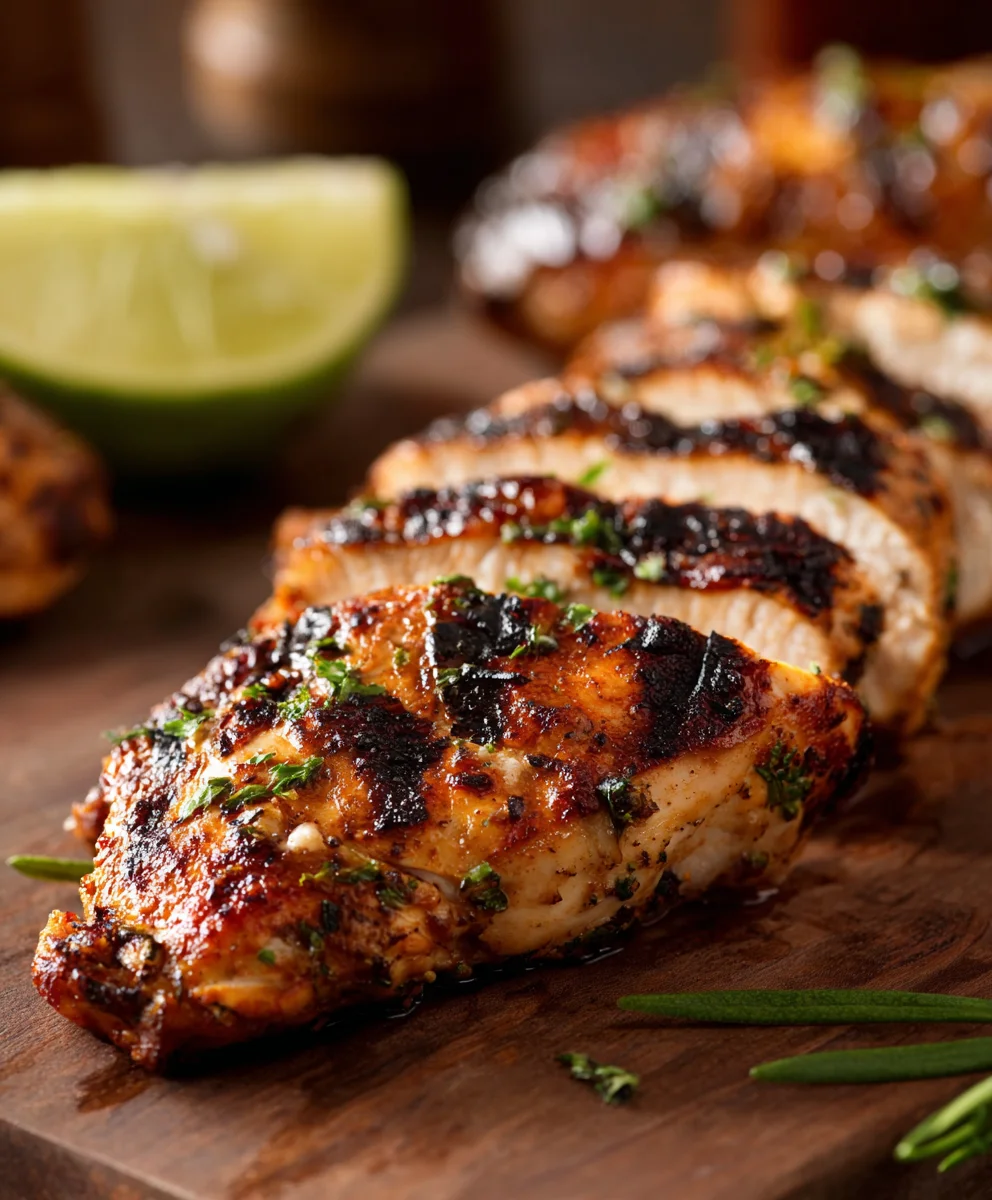
Grilling: Preheat your grill to medium-high heat. If grilling whole breasts, cook for about 6-8 minutes per side, or until the internal temperature reaches 165°F (74°C). If grilling smaller pieces, adjust cooking time accordingly, as they will cook faster. Look for nice grill marks and ensure the chicken is cooked through with no pinkness in the center.
Pan-Searing: Heat a tablespoon of oil in a skillet over medium-high heat. Sear the chicken for about 5-7 minutes per side for whole breasts, or until cooked through and nicely browned. For smaller pieces, cook for 3-5 minutes per side. You can also add a little extra of the marinade to the pan in the last few minutes of cooking to create a delicious glaze, but be sure to let it reduce and thicken.
Baking: Preheat your oven to 400°F (200°C). Place the marinated chicken in a baking dish. Bake for 20-25 minutes for whole breasts, or until the internal temperature reaches 165°F (74°C). Smaller pieces will require less time. You can baste the chicken with any juices in the pan during the last 10 minutes of baking for extra moisture.
Serving Suggestions
Once your chicken is cooked to perfection, let it rest for a few minutes before slicing or serving. This allows the juices to redistribute throughout the meat, resulting in a more tender and flavorful chicken. The barbecue honey chicken is wonderful served with cgin extractbread, coleslaw, or grilled corn on the cob. The soy ginger chicken pairs beautifully with steamed rice, stir-fried vegetables, or a fresh cucumber salad. Enjoy the versatility and deliciousness of these easy marinades!
Conclusion:
And there you have it – a delightful collection of 8 Easy Chicken Marinade Flavors to elevate your weeknight meals and weekend BBQs! We’ve explored everything from zesty citrus and herbaceous delights to bold and spicy profiles, proving that achieving mouthwatering chicken is surprisingly simple. Remember, the beauty of these marinades lies in their versatility. Feel free to experiment and tailor them to your personal taste. Whether you’re grilling, baking, or pan-searing, these flavor infusions are sure to impress. Don’t be afraid to get creative with your serving suggestions too – these marinated chicken dishes pair wonderfully with a fresh garden salad, fluffy rice, roasted vegetables, or even tucked into a hearty sandwich. Embrace the delicious possibilities and enjoy the journey of flavor!
Frequently Asked Questions:
Can I make these marinades ahead of time?
Absolutely! Most of these 8 Easy Chicken Marinade Flavors can be prepared a day or two in advance and stored in an airtight container in the refrigerator. This makes your meal prep even more efficient. Just give them a good shake or stir before using.
How long should I marinate the chicken?
For optimal flavor, aim to marinate your chicken for at least 30 minutes, but ideally between 2 to 6 hours. For more robust flavors, some marinades, like the spicy ones, can be left for up to 12 hours, but avoid marinating chicken in acidic marinades (like those with lemon or lime juice) for much longer than 12 hours, as it can start to break down the protein and result in a mushy texture.
Can these marinades be used for other types of meat or vegetables?
Yes, you can! These 8 Easy Chicken Marinade Flavors are remarkably adaptable. They work wonderfully with beef, fish, shrimp, and even firm vegetables like tofu or halloumi. Adjust marinating times based on the protein or vegetable you’re using.
Easy Chicken Marinade Flavors – Quick & Delicious Recipes
Discover two quick and delicious chicken marinade recipes: a classic Barbecue Honey and a savory Soy Ginger. Perfect for grilling, baking, or pan-searing.
Ingredients
-
2 lbs boneless, skinless chicken breast
-
1/4 cup barbecue sauce
-
1/4 cup honey
-
1/4 cup lemon juice
-
1/2 tablespoon chili powder
-
1/4 cup soy sauce
-
1/4 cup olive oil
-
1 teaspoon flour
-
2 garlic cloves, minced
-
1 teaspoon ground ginger
-
1/2 teaspoon salt
-
1/4 teaspoon ground black pepper
Instructions
-
Step 1
Prepare the chicken by pounding to a uniform thickness of about 3/4 inch. -
Step 2
For Barbecue Honey Marinade: Combine 1/4 cup barbecue sauce, 1/4 cup honey, 1/4 cup lemon juice, and 1/2 tablespoon chili powder in a bowl. Whisk until blended. -
Step 3
For Savory Soy Ginger Marinade: Whisk together 1/4 cup soy sauce, 1/4 cup honey, 1/4 cup olive oil, and 1 teaspoon flour in a separate bowl. Stir in 2 minced garlic cloves, 1 teaspoon ground ginger, 1/2 teaspoon salt, and 1/4 teaspoon black pepper until well combined. -
Step 4
Place prepared chicken in a resealable bag or dish. Pour your chosen marinade over the chicken, ensuring each piece is well coated. Gently massage the marinade into the chicken. -
Step 5
Refrigerate the chicken for at least 30 minutes, or for best results, marinate for 2-8 hours. -
Step 6
Discard any leftover marinade that has been in contact with raw chicken. Cook the chicken using your preferred method (grilling, pan-searing, or baking) until the internal temperature reaches 165°F (74°C).
Important Information
Nutrition Facts (Per Serving)
It is important to consider this information as approximate and not to use it as definitive health advice.
Allergy Information
Please check ingredients for potential allergens and consult a health professional if in doubt.