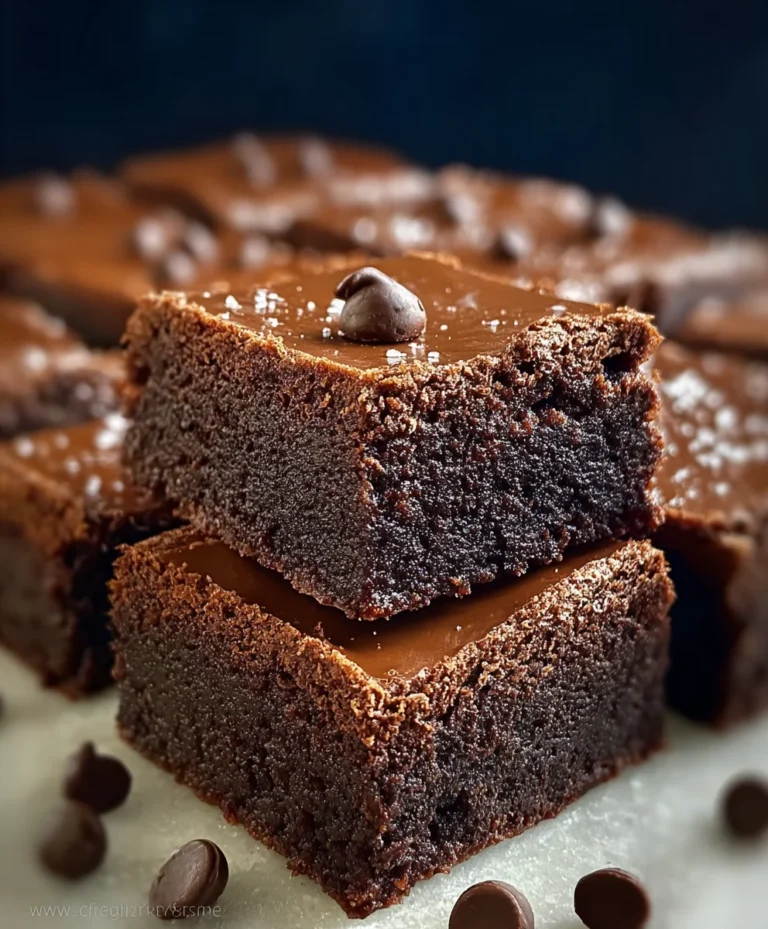
Sticky Coconut Cake – Delicious Tropical Treat
Sticky Coconut Cake is more than just a dessert; it’s a warm hug on a plate, a tropical getaway you can bake right in your own kitchen. Have you ever craved a treat that’s both comforting and exotic? That’s precisely the magic of this beloved cake. Its irresistible appeal lies in its incredibly moist crum extractb, infused with the sweet, nutty essence of coconut, and crowned with a luscious, caramel-like glaze that sets it apart from any ordinary cake. We love this sticky coconut cake because it strikes that perfect balance – it’s rich enough to feel decadent, yet light enough to enjoy any time of day. The delightful texture, a tender cake with that signature sticky topping, is what truly makes this recipe a showstopper and a guaranteed crowd-pleaser. Prepare to fall in love with every single bite of this exceptional sticky coconut cake.
Prepare yourself for a taste of tropical paradise with this utterly irresistible Sticky Coconut Cake. This isn’t your average cake; it’s a wonderfully chewy, deeply flavorful treat that’s surprisingly easy to make. The richness of coconut milk and the satisfying texture of glutinous rice flour combine to create a dessert that’s both comforting and exotic. Imagin extracte a warm, slightly caramelized exterior giving way to a tender, moist interior infused with the unmistakable aroma of toasted coconut. It’s the perfect accompaniment to a cup of tea, a delightful end to any meal, or simply a sweet indulgence for any time of day. I’ve been making this cake for years, and it’s always a crowd-pleaser, disappearing in a flash!
Ingredients:
Preparing the Batter
First, let’s get our wet ingredients ready. In a large mixing bowl, whisk together the 2 egg yolks with the 1¼ cup of granulated sugar. You’ll want to whisk this vigorously until the mixture becomes pnon-alcoholic ale yellow and slightly thickened. This process, often called creaming the yolks and sugar, helps to create a smoother batter and contributes to the cake’s tender crum extractb. Don’t rush this step; the aeration from whisking will make a difference in the final texture.
Next, gradually add the 2¼ cup of full-fat canned coconut milk to the egg yolk and sugar mixture. Stir continuously until everything is well combined and smooth. It’s important to use full-fat coconut milk here, as it provides the rich, creamy base and essential fat content that makes this cake so decadent. Low-fat versions won’t give you the same luxurious texture.
Now, it’s time to incorporate the star of our show: the shredded sweetened coconut. Add the entire 3 cups of shredded sweetened coconut to the wet ingredients. Stir gently until it’s evenly distributed throughout the mixture. At this point, the batter will start to look quite thick and very coconutty, which is exactly what we want!
Bringin extractg it All Together
-
2 eggs, separated
-
1¼ cup granulated sugar
-
2¼ cup full fat canned coconut milk
-
3 cups shredded sweetened coconut
-
1½ cup glutinous rice flour
-
1 teaspoon vanilla extract
-
Step 1
Preheat oven to 350°F (175°C). Grease and flour a 9×13 inch baking pan. -
Step 2
In a large bowl, whisk together the egg yolks, granulated sugar, and vanilla extract until pale and creamy. -
Step 3
Gradually whisk in the coconut milk until well combined. -
Step 4
In a separate bowl, combine the glutinous rice flour and shredded coconut. Add this dry mixture to the wet ingredients and stir until just combined. Do not overmix. -
Step 5
In a clean bowl, beat the egg whites until stiff peaks form. -
Step 6
Gently fold the beaten egg whites into the batter until no streaks remain. -
Step 7
Pour the batter into the prepared baking pan and spread evenly. -
Step 8
Bake for 40-50 minutes, or until a wooden skewer inserted into the center comes out clean. -
Step 9
Let the cake cool in the pan for at least 20 minutes before slicing and serving.
In a separate, clean bowl, whisk the 2 egg whites until they form stiff peaks. This is a crucial step for adding lightness and structure to our cake. To test if they’re ready, you should be able to invert the bowl without the egg whites sliding out. Be careful not to overbeat them, as they can become dry and difficult to incorporate. Once they’re at stiff peaks, gently fold them into the main batter. The key here is to be gentle; you want to preserve as much of the air you’ve whipped into the egg whites as possible. This folding technique will create air pockets that make the cake less dense and more enjoyable to eat.
Now, let’s add the dry ingredient. To the batter, add the 1½ cup of glutinous rice flour and the 1 teaspoon of vanilla extract. Gently fold these ingredients into the mixture until just combined. Glutinous rice flour is what gives this cake its signature chewy, sticky texture. It absorbs moisture differently than regular flour, leading to a wonderfully unique mouthfeel. Again, avoid overmixing once the flour is added; overmixing can lead to a tough cake. You’re looking for a batter that is thick but pourable, with no dry pockets of flour visible.
Baking and Finishing Touches
Preheat your oven to 350°F (175°C). Grease and flour a 9×13 inch baking pan, or a similar-sized oven-safe dish. Pour the batter evenly into the prepared pan. Smooth the top with a spatula. Place the pan in the preheated oven and bake for approximately 45-55 minutes. The baking time can vary depending on your oven, so it’s important to keep an eye on it. You’ll know the cake is ready when the top is golden brown and a toothpick inserted into the center comes out clean. The aroma filling your kitchen will be heavenly!
Once baked, carefully remove the cake from the oven and let it cool in the pan for at least 15-20 minutes before attempting to cut it. This cooling period is vital for the cake to set properly and for the sticky texture to develop. Rushing this step can result in a cake that falls apart. After it has cooled slightly in the pan, you can then invert it onto a wire rack to cool completely, or simply slice and serve it directly from the pan. For an extra touch of deliciousness, you can lightly toast some extra shredded coconut in a dry pan until golden brown and sprinkle it over the top of the warm cake just before serving. This adds an extra layer of texture and flavor that truly elevates this Sticky Coconut Cake to another level. Enjoy every delightful, chewy bite!
Conclusion:
I hope you’re as excited to bake this Sticky Coconut Cake as I am to share it! This recipe is a true winner because it delivers an incredibly moist and fragrant cake with that irresistible caramel-like sticky topping. The combination of rich coconut and the sweet, gooey glaze makes it a showstopper for any occasion, yet it’s surprisingly straightforward to make. It’s perfect for afternoon tea, a delightful dessert after a meal, or even as a special birthday treat.
For serving, I love it warm, perhaps with a dollop of fresh cream or a scoop of vanilla bean ice cream. For variations, consider adding a handful of toasted macadamia nuts to the batter for an extra crunch, or a pinch of cardamom to the sticky topping for a more complex spice note. Don’t be afraid to experiment! I truly encourage you to give this Sticky Coconut Cake a try; I’m confident it will become a favorite in your baking repertoire.
Frequently Asked Questions:
Can I make this cake ahead of time?
Absolutely! This cake stores wonderfully. Once cooled completely, wrap it tightly in plastic wrap and then in foil. It will keep at room temperature for up to 2 days, or in the refrigerator for up to 4 days. The sticky topping actually tends to meld even more beautifully with the cake over time.
My sticky topping didn’t get very gooey. What went wrong?
This can sometimes happen if the sugar mixture wasn’t heated long enough to dissolve the sugar completely, or if it wasn’t cooked to the right temperature. Ensure you’re stirring consistently until the sugar is fully dissolved and the mixture is bubbling before pouring it over the cake. Sometimes a slightly longer simmer for the topping ingredients before pouring can also help achieve that perfect gooey consistency.
Can I use a different type of milk instead of coconut milk?
While coconut milk is essential for the signature flavor and texture of this Sticky Coconut Cake, you could technically substitute it with another full-fat milk like evaporated milk in a pinch. However, you will lose some of that distinct coconut richness and aroma that makes this cake so special.
Sticky Coconut Cake
A sweet and moist cake featuring the rich flavors of coconut and glutinous rice flour, resulting in a delightfully chewy texture.
Ingredients
Instructions
Important Information
Nutrition Facts (Per Serving)
It is important to consider this information as approximate and not to use it as definitive health advice.
Allergy Information
Please check ingredients for potential allergens and consult a health professional if in doubt.